In This Article
- • Step 1: The Smart Buyer’s Manifesto
- • Step 2: Air Conditioners & SEER2
- • Step 3: Refrigerators & Linear Compressors
- • Step 4: Washing Machines & HE Motors
- • Step 5: Induction Hobs vs Gas
- • Step 6: Dishwashers – The Silent Hero
- • Step 7: Smart LED TVs & Ecosystems
- • Step 8: Robotic Vacuums & Automation
- • Step 9: Global Warranty Secrets
- • Step 10: Final Verdict
- • Frequently Asked Questions (FAQs)
- • View Article Sources
step1: Stop Overpaying: The 2026 Smart Appliance Efficiency Guide
“Welcome to the ultimate 2026 Smart Appliances Guide. In this post, we show you how to avoid wasting $500 on the wrong features and choose the best tech for your home.”
Most buyers waste $500+ on useless features. They ignore the 2026 Smart Appliances Guide for Modern Buyers. Modern tech should save money, not just look sleek. Many brands use “Greenwashing” to trick you. They hide low efficiency behind fancy digital screens.
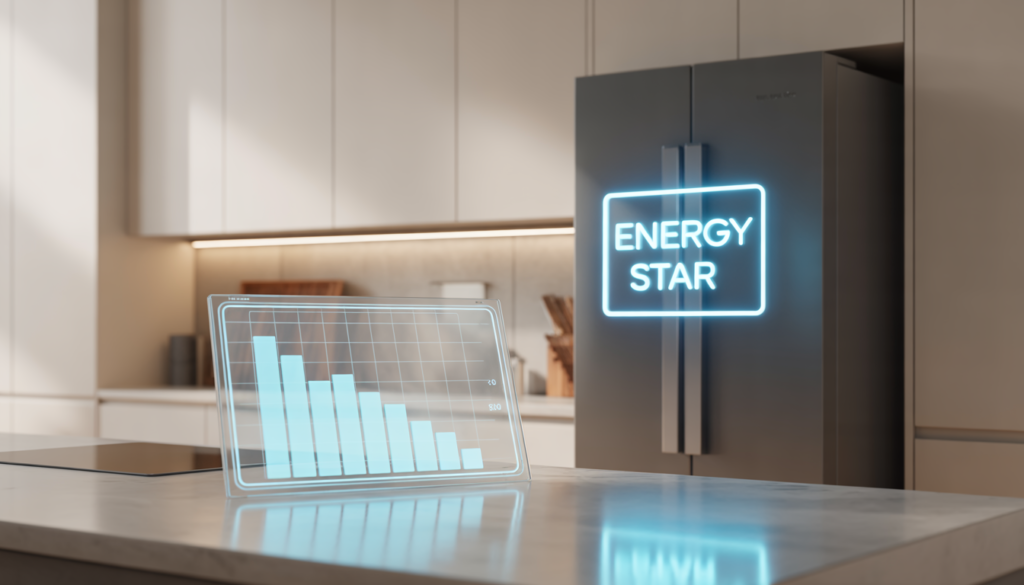
Understanding global energy labels is your best defense. Look for Energy Star or EU Ratings (A to G). These ratings prove real-world power savings. A smart home starts with informed choices. Follow our top Energy Saving Tips to reduce costs. Invest in high-efficiency Smart Appliances to cut long-term costs.
The Cost of Innovation: Legacy vs. 2026 Tech
| Appliance Type | Legacy (Pre-2020) Cost/Yr | 2026 Smart Tech Cost/Yr | Potential 5-Year Savings |
| Refrigerator | $160 | $45 | $575 |
| Washing Machine | $110 | $32 | $390 |
| Dishwasher | $85 | $28 | $285 |
| HVAC System | $950 | $520 | $2,150 |
Did You Know?
“Standby Power” (vampire energy) costs the average home $150 annually. Even “off” Smart Appliances draw current for Wi-Fi features.
Spotting the Fakes
Don’t let marketing buzzwords drain your wallet. Greenwashing is a common trap in the industry. Look for certified third-party seals. Genuine Smart Appliances list precise kilowatt-hour usage. Avoid products with vague “Eco-Friendly” stickers.
Always cross-reference the model with the Energy Star database. Real efficiency is measured in data, not colors. Your Modern Buyer’s Manifesto prioritizes performance over hype. Saving $500 starts with reading the fine print.
🛠️ Pro Fix: Kill the Greenwash
To identify fake eco-claims, check for the official QR code on EU labels. Scan it to see real testing data. If a brand lacks a certified rating, it is likely Greenwashing. Stick to verified Smart Appliances for true savings.
step2: Ditch the Tonnage: The New 2026 Cooling Standard
Tonnage is an outdated metric for your home. In 2026, efficiency is about precision, not raw power. Most buyers pick the wrong Air Conditioners based on size. A massive unit often wastes more energy than it saves.
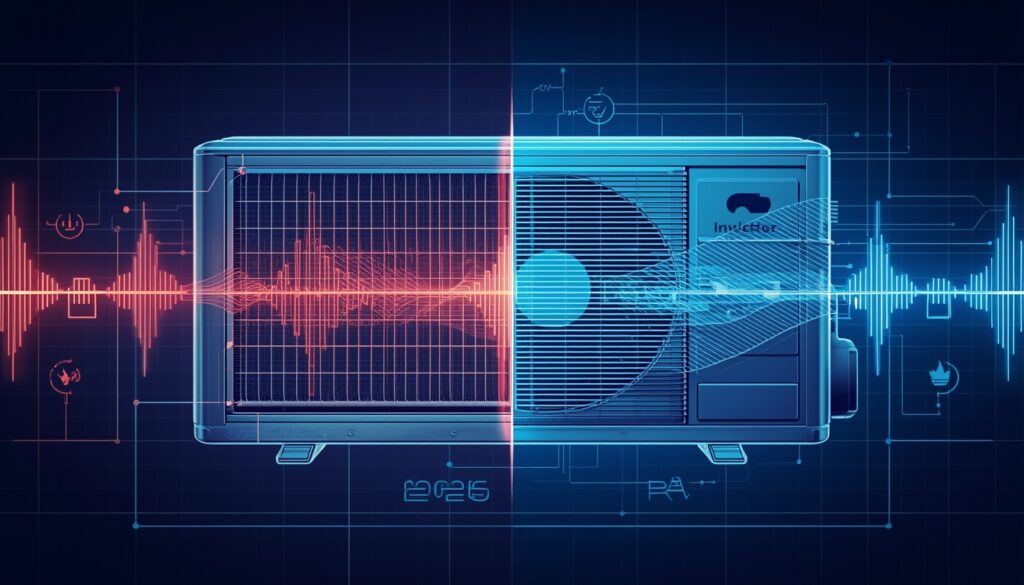
Modern cooling relies on SEER2 ratings for efficiency. Higher ratings mean lower monthly bills for you. This is the Inverter vs. Non-Inverter showdown. Traditional units cycle on and off constantly. This creates massive power spikes every few minutes.
Efficiency Battle: 12,000 BTU Performance
| Feature | 12,000 BTU Inverter | 12,000 BTU Standard | 2026 Impact |
| Noise Level | 19dB – 30dB (Whisper) | 50dB – 65dB (Loud) | Better Sleep Quality |
| Power Draw | Variable (Low) | Fixed (Always Max) | 40% Lower Bills |
| Temp. Stability | ±0.5°C Precision | ±3.0°C Fluctuations | Consistent Comfort |
| Startup Surge | Soft Start (No Spike) | High Voltage Kick | Saves Circuit Health |
Did You Know?
Once stable, an Inverter AC uses minimal power. It can run on the same energy as three old bulbs. This makes Inverter vs. Non-Inverter a clear choice.
Why SEER2 Ratings Rule
Forget the old labels you see on generic Air Conditioners. The SEER2 ratings account for real-world humidity and heat. A higher rating ensures your unit works smarter.
Non-inverter units are like a car stuck at full throttle. They consume maximum energy until the room is freezing. Then they shut off and wait for the heat to return. This “Inrush Current” is why your lights flicker. Inverter vs. Non-Inverter tech solves this by slowing the motor. It maintains a steady, low-energy breeze all day.
🛠️ Pro Fix: The Thermal Seal
Check your window frames for tiny air leaks. Use weather-stripping tape to create a “Thermal Seal.” This prevents your Air Conditioners from cooling the outdoors. A $10 seal saves $100 in annual cooling costs.
step3: Chill Smart: Mastering Your Eco-Kitchen Core
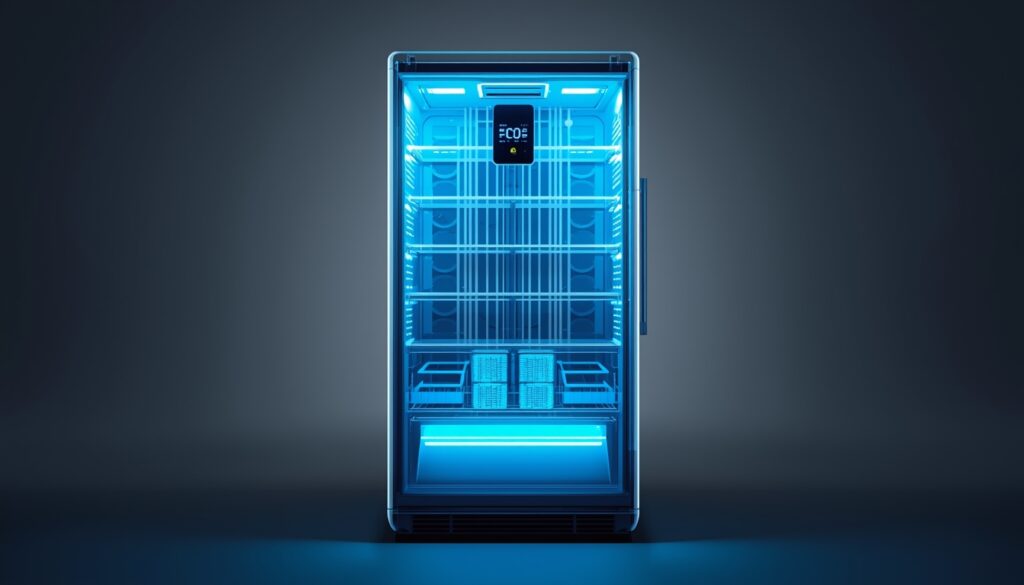
Your fridge runs 24/7, making it a power hog. Choosing the right refrigerator saves hundreds over a decade. In 2026, Linear Compressors are the gold standard. They move in a straight line, reducing friction. This tech slashes noise and energy consumption significantly.
Size also dictates your long-term energy “leakage.” An oversized unit cools space for no reason. Modern Dual-Cooling tech manages humidity in separate zones. This keeps food fresh while optimizing the motor’s workload.
The Storage Duel: Energy per Cubic Foot
| Feature | French Door (25 cu.ft) | Side-by-Side (25 cu.ft) | 2026 Eco Impact |
| Annual kWh | 620 kWh | 710 kWh | Lower operating costs |
| Thermal Leakage | Low (Split Opening) | High (Full Door) | Saves compressor wear |
| Cooling Method | Dual-Cooling tech | Single Evaporator | Better food preservation |
| Energy Rating | Energy Star Most Efficient | Standard Energy Star | $120+ Savings over 5yrs |
Did You Know?
A half-empty freezer uses more power than a full one. Frozen items act like ice packs, maintaining the cold. Use water jugs to fill empty gaps in Refrigerators.
The Science of Linear Compressors
Traditional motors use a noisy “on-off” rotation. Linear Compressors use a magnetic drive for steady cooling. This eliminates the massive power surges of older models. It also extends the lifespan of your refrigerator.
Avoid units with excessive “Door-in-Door” features if not used. Every opening allows cold air to escape quickly. Smart Refrigerators now include internal cameras to reduce browsing time. This prevents significant energy “leakage” during meal prep. Always prioritize Dual-Cooling tech for better humidity control.
🛠️ Pro Fix: The Paper Test
Place a single sheet of paper in the door. Close the door on it and pull gently. If the paper slides out easily, your Refrigerators seal is failing. Replace the gasket to stop invisible energy “leakage.”
step4: Spin to Win: The 2026 High-Efficiency Laundry Revolution
Washing clothes used to be an energy nightmare. Modern Washing Machines have changed the game completely. The debate between Front Load vs. Top Load is over. Front-loaders lead in water and power efficiency. They use gravity to tumble clothes through shallow water.
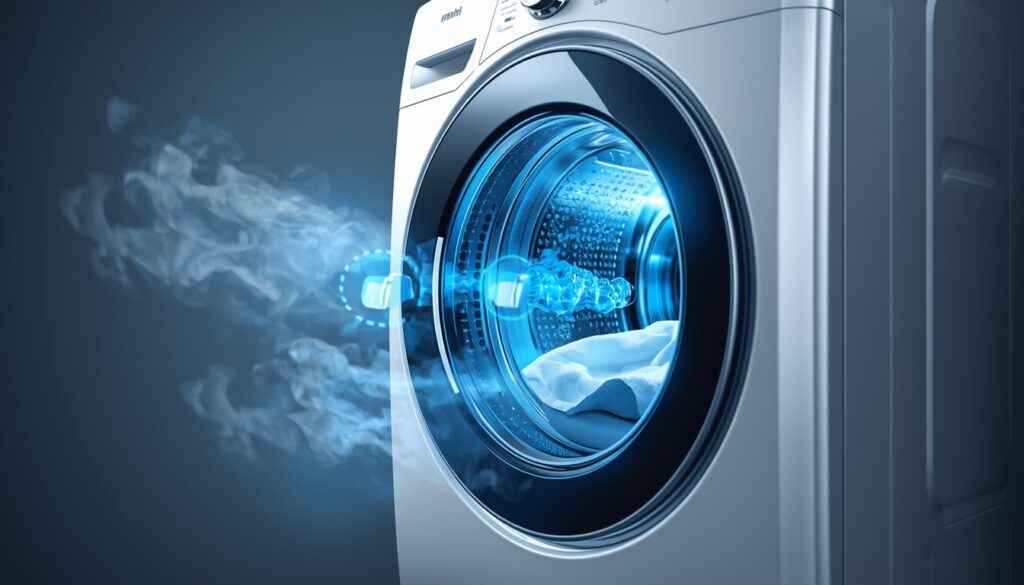
New High-Efficiency (HE) motors offer precise drum control. These motors reduce friction and mechanical wear. Many 2026 models now include steam-wash benefits. Steam penetrates fibers to remove stains without hot water. This protects your delicate fabrics from heat damage.
The Load Factor: Efficiency per 5kg
| Performance Metric | Front Load (HE) | Top Load (Agitator) | 2026 Global Standard |
| Water per Load | 13 Gallons | 42 Gallons | Save 29 Gallons |
| Energy per Load | 0.45 kWh | 1.2 kWh | 60% Power Reduction |
| Spin Speed (RPM) | 1400 RPM | 700 RPM | Drier Clothes Faster |
| Detergent Type | Low-Suds HE | Standard Soap | Prevents Motor Clogs |
Did You Know?
Modern Washing Machines save 10,000 gallons of water yearly. This is compared to bulky 2010 models. It is enough to fill a backyard pool.
The Power of HE Motors
Traditional machines rely on heavy, belt-driven systems. Modern High-Efficiency (HE) motors use direct-drive technology. This eliminates belts that snap or slip over time. It also allows for much quieter operation at night.
Steam-wash benefits go beyond just cleaning. High-temperature steam kills 99% of common household allergens. You use less chemical detergent for every cycle. This makes Front Load vs. Top Load an easy choice. Choose a front loader for the ultimate eco-friendly home. Your Washing Machines should protect both planet and pocket.
🛠️ Pro Fix: Kill the Bio-film
To prevent “Bio-film” (slimy buildup), leave the door open. High-efficiency Washing Machines seal tight, trapping moisture. Run a “Clean Cycle” with white vinegar once monthly. This keeps your Front Load vs. Top Load unit smelling fresh.
step5: Heat Without Waste: The New Era of Induction Cooking
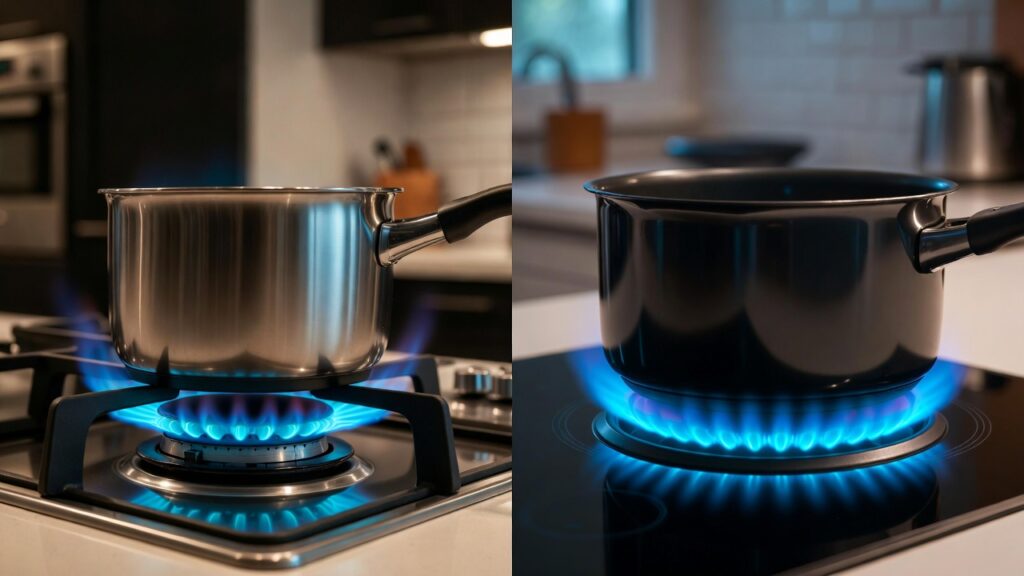
Stop burning money with outdated flames. The kitchen of 2026 thrives on Induction Hobs. Gas ranges lose most heat to the room. Induction Hobs use magnets to heat the pan directly. This creates a safer, cooler kitchen environment for you.
Pairing these with Air Fryers completes the eco-setup. Rapid Air tech circulates heat with extreme precision. It cooks faster than a traditional oven. It uses less energy than Microwave radiation for crisping. Switch to these Smart Cooking tools for maximum efficiency.
The Heat Efficiency Duel: Cooking Performance
| Cooktop Type | Boiling Time (1L) | Energy Efficiency | Heat Loss to Room |
| Induction Hobs | 2.5 Minutes | 90% Efficient | Minimal (Direct) |
| Gas Range | 8.0 Minutes | 40% Efficient | High (60% Loss) |
| Electric Coil | 6.5 Minutes | 70% Efficient | Moderate (Residual) |
| Air Fryers | N/A (Rapid) | 85% Efficient | Low (Insulated) |
Did You Know?
Induction Hobs are 90% efficient. Gas loses 60% of its heat to the air. This makes Induction Hobs the ultimate Smart Cooking choice.
Rapid Air Tech vs. Microwave Radiation
Most people confuse speed with efficiency. Microwave radiation is fast but often leaves food soggy. Rapid Air tech mimics deep-frying without oil. It uses a high-powered fan to blast hot air.
This process uses 75% less energy than large ovens. It is the perfect partner for Induction Hobs. Together, they eliminate the need for fossil fuels. Moving away from gas improves your indoor air quality. Your Smart Cooking journey starts with magnetic heat. Pair it with Solar Energy for zero-cost cooking.
🛠️ Pro Fix: The Magnet Test
Grab a simple fridge magnet. Hold it to the bottom of your old pans. If the magnet sticks firmly, it works on Induction Hobs. This saves you from buying expensive new Smart Cooking sets.
step6: Scrubbing the Myths: Why Your Dishwasher Wins
Many believe hand-washing saves money. This is a common, costly mistake. Modern Dishwashers are now the misunderstood heroes. They use significantly less water than a faucet. Hand-washing for 15 minutes wastes 20 gallons.
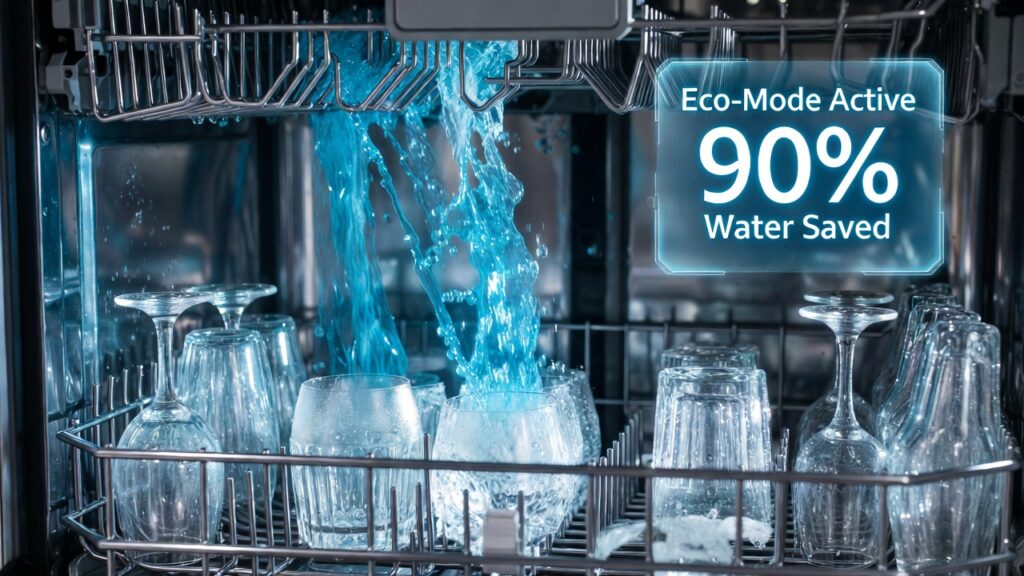
New Modern sensors detect how dirty the dishes are. They adjust water flow and temperature automatically. These Eco-modes optimize every single drop of water. You save both time and electricity every day. Trust the machine to handle the heavy lifting.
The Clean Duel: Faucet vs. Machine
| Efficiency Metric | Hand-Washing (15m) | Eco-Cycle Machine | 2026 Savings |
| Water Usage | 20 – 25 Gallons | 3.5 Gallons | 85% Water Saved |
| Energy (Heating) | 2.8 kWh (Boiler) | 0.85 kWh (Internal) | Lower Utility Bills |
| Hygiene Level | 35°C (Average) | 65°C (Sanitized) | Kills More Bacteria |
| Time Spent | 15 Minutes | 1 Minute (Load) | 14 Minutes Reclaimed |
Did You Know?
Dishwashers recycle their water through 3-stage filters. They use the same water for multiple rinses. This is why they use so little.
The Magic of Modern Sensors
Older units just sprayed water blindly. Today, Modern sensors measure water clarity constantly. If the water is clean, the cycle ends. This prevents wasting energy on “clean” dishes.
Using Eco-modes lowers the peak temperature slightly. It extends the cycle but cuts power use. This is perfect for daily dinner plates. Your Dishwashers are designed for high-efficiency living. Never pre-rinse your dishes in the sink. The Modern sensors need food particles to work. Pre-rinsing actually wastes more water and money.
🛠️ Pro Fix: The Hard Water Balance
In hard water areas, check your Dishwashers salt reservoir. Use specialized dishwasher salt to soften the water. Pair this with Rinse-Aid to prevent cloudy spots. This keeps Modern sensors clean and accurate.
step7: Screen Time: The Efficiency Secret of Smart LED TVs
Your living room centerpiece is more than just a screen. In 2026, Smart LED TVs are essential home management hubs. However, display technology determines your hidden monthly electricity costs. The OLED vs. QLED debate often focuses on color. Yet, the real difference lies in how they pull power.
OLED pixels emit their own light and shut off completely. QLED relies on a backlight that stays active. Integrating these into a smart home ecosystem allows for automation. You can set your TV to power down when it’s empty. This transition to Smart LED TVs ensures entertainment doesn’t break the bank.
The Screen Tax: Annual Energy Comparison
| TV Tech (55-Inch) | Avg. Power (Watts) | Annual Cost (Est.) | 2026 Tech Status |
| Smart LED TVs | 70W – 90W | $22 | Gold Standard Efficiency |
| OLED Displays | 100W – 130W | $30 | Best Picture / Mid Power |
| Plasma (Legacy) | 350W – 400W | $95+ | Obsolete / Heat Heavy |
| QLED Panels | 110W – 140W | $34 | Vibrant / High Brightness |
Did You Know?
Brightness settings are the #1 cause of high TV power drain. Lowering the backlight by 20% can cut consumption significantly. Most Smart LED TVs now include auto-dimming sensors.
Smart Hubs and Ecosystems
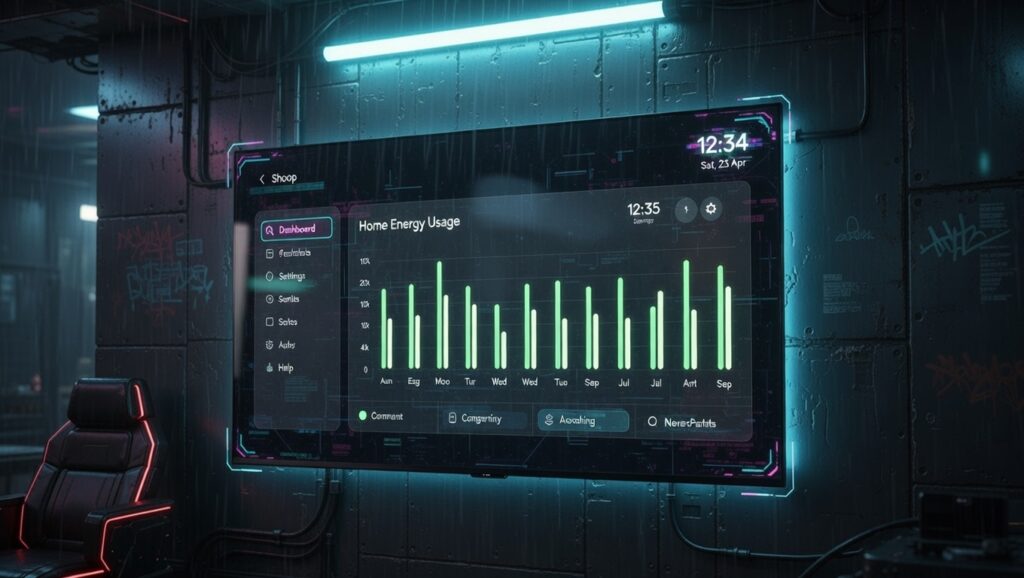
Modern televisions are now the brains of the house. You can monitor your fridge or AC directly from the screen. This integration helps you track OLED vs. QLED usage in real-time. Smart hubs can trigger “Away Mode” when you leave home.
Many users ignore the impact of “Vampire Power” on standby. Keep your firmware updated to optimize these background processes. A well-configured ecosystem reduces waste across all your devices. The goal is a seamless, low-energy entertainment experience. Choose Smart LED TVs with high Energy Star ratings for 2026.
🛠️ Pro Fix: Kill the Store Demo
New Smart LED TVs often ship in “Store Demo Mode.” This mode maxes out brightness and uses 30% more power. Go to Settings > System > Usage Mode and select Home Mode. This instantly slashes your OLED vs. QLED energy bill.
step8: Smart Floors: The Efficiency of Robotic Vacuums
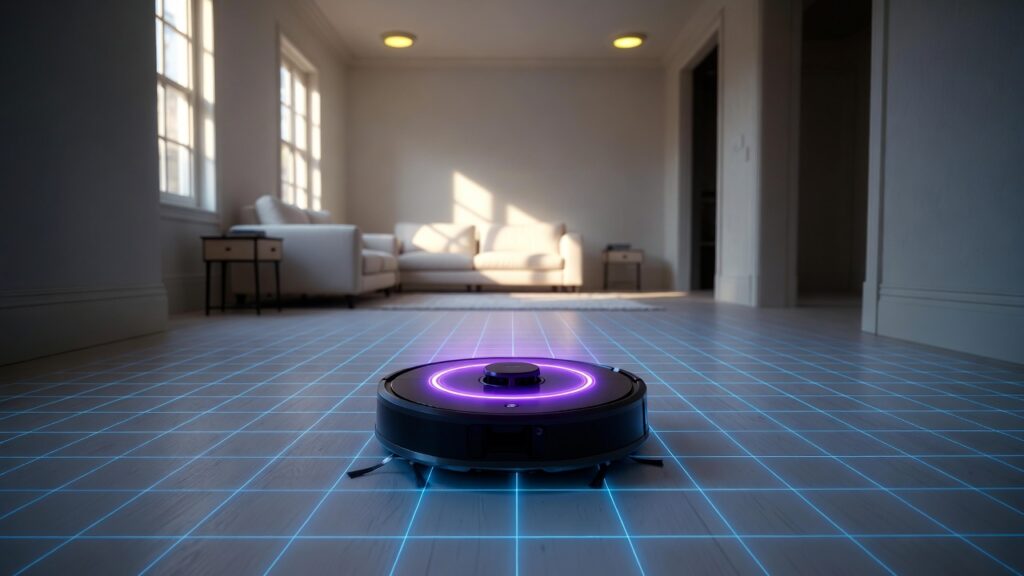
Cleaning your home no longer requires a 2000W power surge. Robotic Vacuums have redefined how we maintain our living spaces. These devices use small, high-torque motors for constant, low-energy suction. They replace the heavy energy load of old-fashioned upright cleaners.
The choice often comes down to LiDAR vs. Camera navigation. LiDAR uses lasers for precision mapping, even in total darkness. Camera-based systems “see” obstacles like a human would. Self-emptying docks add convenience but require a small extra power burst. Modern units focus on maximizing battery longevity for large floor plans.
The Power Shift: Robot vs. Traditional Upright
| Feature | Robotic Vacuums (2026) | 2000W Upright Vacuum | 2026 Eco Impact |
| Power Draw | 30W – 60W | 1500W – 2200W | 97% Energy Reduction |
| Navigation | LiDAR vs. Camera | Manual Human Power | No missed spots |
| Operation | Scheduled / Autonomous | Manual Labor | Saves 5 hours weekly |
| Docking | Self-emptying docks | Manual Dust Bin | Filters 99% Allergens |
Did You Know?
High-end robots can map a 2000 sq. ft. home in under 15 minutes. They use pulsed lasers to create a 3D floor plan. This ensures maximum efficiency during every cleaning run.
Navigation and Battery Health
Efficiency depends on how well the robot “sees” your furniture. LiDAR vs. Camera navigation affects how quickly the job finishes. LiDAR units rarely bump into walls, saving their exterior and your paint. Faster cleaning cycles directly improve the battery longevity of your device.
Self-emptying docks are great for allergy sufferers. They seal dust away in airtight bags automatically. This prevents “dust plumes” common with manual emptying. Most Robotic Vacuums now include smart scheduling to clean during low-tariff hours. This makes them a vital part of your Eco Power Guide strategy.
🛠️ Pro Fix: Battery Life Hack
To double your battery longevity, keep the dock in a cool spot. Heat is the enemy of Li-ion cells. Avoid letting the battery hit 0%. Most Robotic Vacuums should return to base at 20% for optimal health.
step9: Protection and Care: The 2026 Global Appliance Survival Guide
Buying smart is only half the battle. Maintaining your gear ensures long-term savings. Most users ignore their Maintenance & Global Warranty Secrets until it is too late. Why warranties differ by region is often down to local consumer laws.
A European warranty might offer two years of protection. In other regions, you might only get twelve months. Creating a “Life-Extending” schedule keeps your home running smoothly. Regular check-ups prevent 90% of common mechanical failures. Treat your appliances like a high-performance car.
Coverage Clash: Manufacturer vs. Third-Party
| Coverage Type | Manufacturer Warranty | Third-Party Insurance | 2026 Strategy |
| Duration | 1 – 2 Years (Standard) | 3 – 5 Years (Extended) | Long-term peace of mind |
| Repair Source | Factory Certified Techs | Local Network Techs | Affects resale value |
| Cost | Included in Purchase | $100 – $300 Yearly | Protects high-end tech |
| Claim Speed | Moderate (OEM Parts) | Fast (Cash Payouts) | Critical for refrigerators |
Did You Know?
50% of appliance “breakdowns” are actually just clogged filters. Simple cleaning can save you a $150 technician visit. Always check filters before calling for help.
Mastering Your Global Warranty Secrets
Understanding why warranties differ by region helps when importing tech. Some brands offer international coverage for travelers. Others restrict support to the country of purchase. Always check the serial number status online before moving.
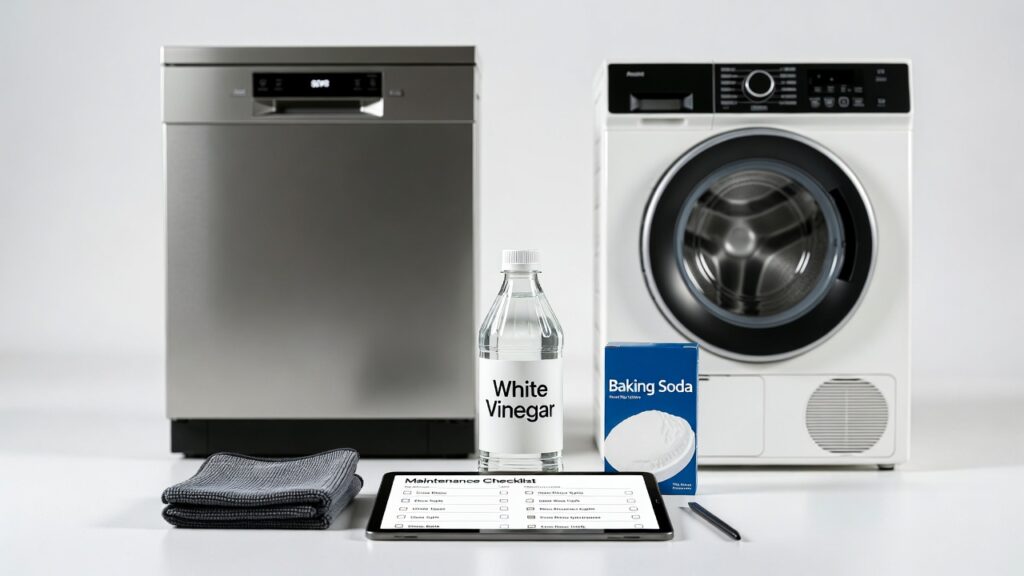
Your “Life-Extending” schedule should include monthly filter deep-cleans. Vacuum the coils behind your fridge every six months. Descale your washing machine to prevent heating element burnout. These small steps double the life of your 2026 electronics. Consistency is the secret to a high-efficiency home.
🛠️ Pro Fix: The Universal Eco-Cleaner
Skip harsh chemicals that degrade rubber seals. Mix one cup of white vinegar with two tablespoons of baking soda. Use this to clean gaskets on all 7 appliances safely. It is the ultimate “Life-Extending” schedule hack.
step10:Future-Proof Your Home: The 2026 Ultimate Verdict
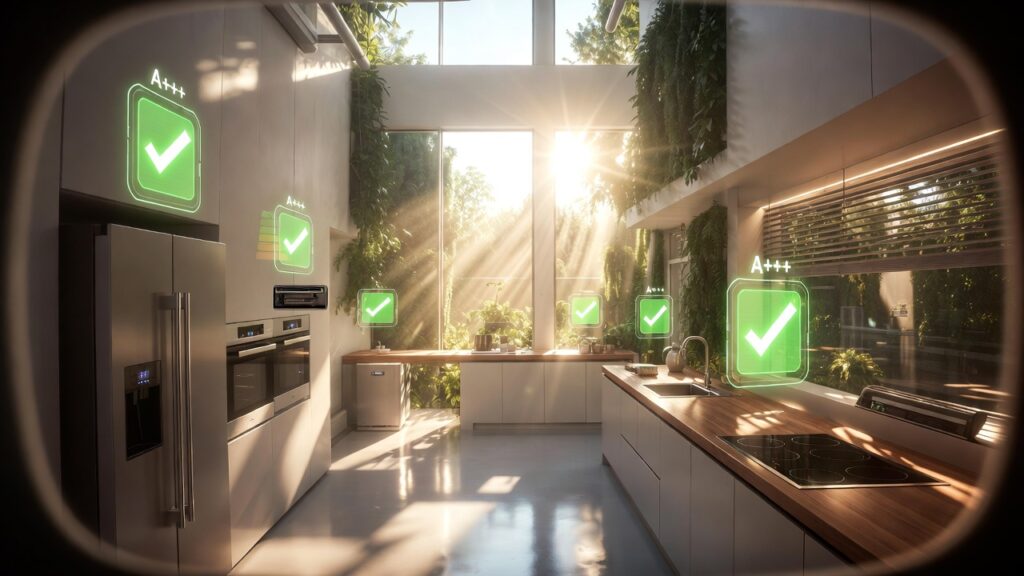
Choosing the right tech is a long-term investment. This Final Checklist: Buying for 2026 and beyond ensures success. Efficiency is no longer optional for modern homeowners. Energy prices continue to rise across the globe.
Your journey through these nine steps leads here. Smarter choices today prevent financial drain tomorrow. Prioritize units with high Energy Star or EU Ratings. Look for Linear Compressors and HE motors specifically. These components define the next decade of home performance.
The Big Picture: Total Yearly Savings Recap
| Appliance Group | Legacy Annual Cost | 2026 Smart Annual Cost | Yearly Net Savings |
| Kitchen Core | $420 (Old Fridge/Oven) | $165 (Smart/Induction) | $255 |
| Climate Control | $950 (Standard AC) | $520 (Inverter SEER2) | $430 |
| Laundry & Cleaning | $280 (Top Load/Hand) | $95 (Front Load/Robot) | $185 |
| TOTALS | **$1,650** | $780 | $870/Year |
Did You Know?
Buying appliances in “Smart Bundles” can save 20% upfront. Retailers often discount entire kitchen suites to encourage ecosystem loyalty. This is the best Final Checklist: Buying for 2026 and beyond tip.
Your Final Buying Strategy
Always verify the SEER2 ratings before signing any contracts. Ensure your Smart LED TVs have an eco-mode. Check that your Washing Machines feature direct-drive tech. These small details compound into massive savings.
Remember the Inverter vs. Non-Inverter rule for every motor. Digital connectivity should serve a purpose, not just look cool. Use your Final Checklist: Buying for 2026 and beyond for every room. A high-efficiency home increases your property value. You are now ready to lead the eco-revolution. Explore more Buying Guides for your smart home.
🛠️ Pro Fix: The Universal Reset
If a smart appliance glitches, don’t panic. Unplug it for exactly 60 seconds to clear the logic board. This “Hard Reset” fixes 80% of digital software errors. It is a vital part of your Final Checklist: Buying for 2026 and beyond.
Frequently Asked Questions (FAQs)
1. Is it worth upgrading to 2026 smart appliances if my old ones still work?
Yes. Older appliances often use 3x more energy. Upgrading can save you up to $800 annually in utility bills.
2. What is the most important rating to look for in 2026?
Always check the SEER2 rating for cooling and the Energy Star database for verified real-world efficiency.
3. Do smart features consume extra “vampire power”?
Modern 2026 units have ultra-low standby modes (under 1W). The energy they save through optimization far outweighs the standby cost.
4. Are Robotic Vacuums better than upright manual vacuums?
For daily maintenance, yes. They use 97% less power and keep floors cleaner with less effort through LiDAR mapping.
5. Why does my dishwasher take longer in Eco-mode?
Eco-modes use lower water temperatures and less water, but longer soak times. This uses much less electricity than heating water quickly.
6. Does hard water affect smart appliance sensors?
Yes. Limescale can blind sensors. Always use specialized salts and descalers as part of your maintenance schedule.
7. Can I use a global warranty in any country?
Not always. Most warranties are region-specific. Always verify the serial number with the local manufacturer before moving tech across borders.
📚 View Article Sources
- Official Certification: Energy Star Official Database – Appliance Efficiency Ratings
- Heating & Cooling Standards: AHRI Directory – Understanding SEER2 and Inverter Performance
- Global Energy Labeling: European Commission – Energy Label and Ecodesign Requirements
- Display Technology Research: RTINGS – Technical Comparison of OLED vs. QLED Power Drain