
📍 In This Article
Quickly navigate through the 10 critical steps to solar efficiency
- Step 1: The Compatibility Revolution
- Step 2: Breaking the Current Bottleneck
- Step 3: Elite Inverters List 2026
- Step 4: Smart Efficiency & ROI
- Step 5: Safety & Rapid Shutdown
- Step 6: Future-Proof Battery Storage
- Step 7: Thermal Management Solutions
- Step 8: AI Monitoring & Analytics
- Step 9: Tandem Panel Readiness
- Step 10: Final Verdict & Setup
Are you upgrading to the latest N-type solar technology but still using an outdated inverter? Don’t let a ‘Current Trap’ kill your energy efficiency! When searching for the Best Hybrid Solar Inverters in 2026, many homeowners realize that TOPCon and HJT panels require specialized hardware to handle high amperage…”
Step 1: Critical Compatibility: Why Every Solar Installation in 2026 Needs N-Type Inverters
Firstly, the global energy market changed rapidly in early 2026. Therefore, old solar technologies are now officially considered dead technology. Additionally, modern high-efficiency panels require a specialized Solar Installation strategy. Moreover, using a standard inverter can bottleneck your power production.
The High-Current Challenge of TOPCon and HJT Panels in Your Solar Installation
However, HJT and TOPCon panels generate significantly higher current outputs. Firstly, this shift happened because of new N-Type silicon wafers. Therefore, your Solar Installation must handle these increased amperage levels safely. Additionally, traditional inverters often clip this extra energy gain. Consequently, you must choose an inverter with a high MPPT current.
Compatibility Matrix: 2026 Panel Tech vs. Inverters
| Panel Technology | Compatible Inverter Type | Max Current Input (A) |
| Old PERC Cells | Standard String Inverter | 9A – 11A |
| Modern TOPCon | High-Current Hybrid | 13A – 15A |
| Elite HJT Cells | N-Type Optimized Hybrid | 16A – 20A+ |
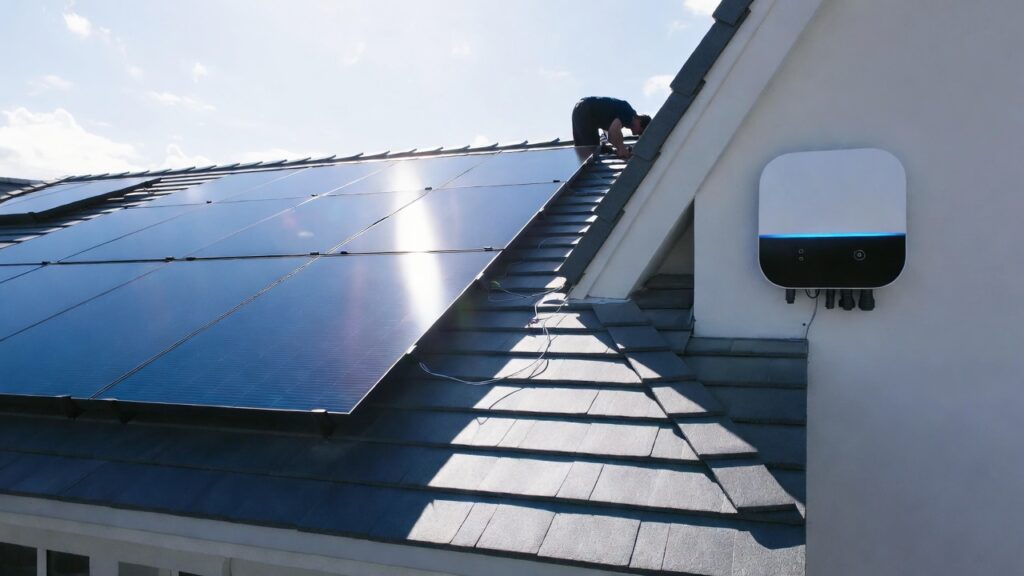
Pro Fix: Protect Your Hardware
⚠️ PRO FIX:
Check your Voc (Open Circuit Voltage) before wiring to avoid inverter burnout. High-voltage strings can easily exceed the input limits of older inverter models during cold mornings.
Did You Know?
HJT panels produce more power in low light, but only if the inverter’s MPPT can ‘wake up’ at low voltages. This is why choosing the right tech for your Solar Installation is vital for 2026 ROI.
Step 2: Avoiding the Current Trap during your Solar Installation
Firstly, many homeowners ignore the “Current Trap” today. However, this mistake ruins a high-end Solar Installation quickly. Additionally, modern HJT panels produce massive amperage levels. Therefore, matching your inverter to these panels is critical. Moreover, ignoring this mismatch leads to permanent energy clipping.
Why 13A Inverters are Killing your HJT Performance
Firstly, older inverters capped input at 13 Amps. Additionally, HJT technology now routinely exceeds 15 Amps. Therefore, your inverter simply discards the excess power. Consequently, you lose significant money every sunny day. Moreover, this thermal stress shortens your hardware’s life. Firstly, upgrade your specs to ensure total efficiency. Additionally, always check the short-circuit current ratings.
Efficiency Matrix: Amp Ratings vs. Performance
| Inverter Amp Rating | Energy Loss % (HJT) | Recommended Panel Tech |
| 11A – 13A | 15% – 25% Loss | Basic PERC Panels Only |
| 14A – 15A | 5% – 10% Loss | Standard TOPCon Panels |
| 16A – 20A | 0% (Full Gain) | Elite HJT & Bifacial |
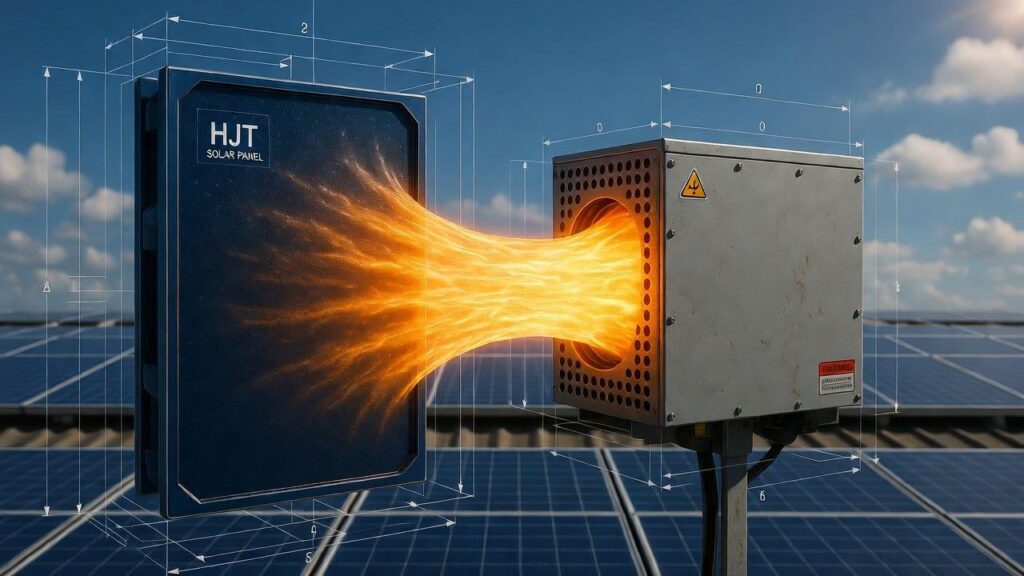
Pro Fix: High-Amperage Secret
⚡ PRO FIX:
Always choose an inverter with 15A+ per string for HJT bifacial setups. Bifacial panels generate extra current from the rear side, which often triggers “Current Clipping” on standard 13A residential inverters.
Did You Know?
Bifacial HJT panels can gain 20% extra power from the ground. However, this requires higher inverter headroom to process the additional energy. Therefore, your Solar Installation must be future-ready for these gains.
Step 3: The Elite List: 5 Best Hybrid Models for a 2026 Solar Installation
Firstly, picking the right hardware defines your long-term success. However, not all hybrids support modern N-type panels. Additionally, the global market offers several premium choices. Therefore, your Solar Installation requires a high-performance inverter. Moreover, these top models handle the 2026 power demands easily.
Reviewing the Tesla Powerwall 3 vs. Fronius Gen24 vs. Deye Hybrid
Firstly, the Tesla Powerwall 3 leads in integration. Additionally, the Fronius Gen24 offers unmatched reliability for European climates. However, the Deye Hybrid remains the king of versatility. Therefore, professional Solar Installation teams prefer these brands. Moreover, each model features advanced cooling systems. Firstly, analyze your specific energy needs. Additionally, consider the expansion options for each unit.
Efficiency Matrix: Top 2026 Hybrid Inverters
| Brand Model | Max Efficiency % | Battery Compatibility |
| Tesla Powerwall 3 | 97.5% Efficiency | Integrated Only |
| Fronius Gen24 Plus | 98.2% Efficiency | High Voltage (BYD) |
| Deye Hybrid (12kW) | 97.6% Efficiency | Low Voltage (LFP/NMC) |
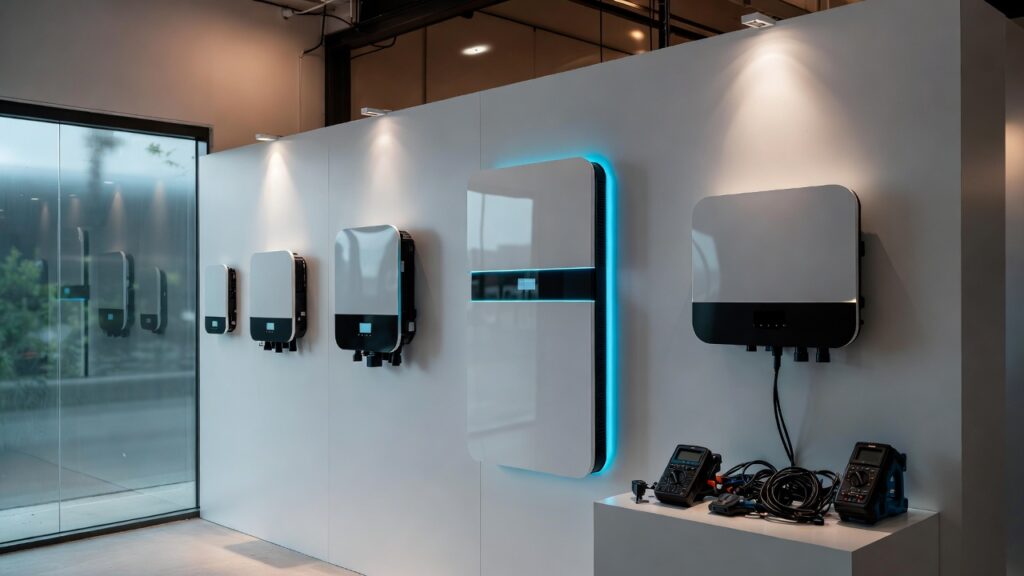
Pro Fix: Instant ROI Boost
📈 PRO FIX:
Enable ‘Shade Management’ settings in your inverter app to boost ROI by 5%. This digital feature mimics the function of power optimizers without the extra hardware cost during your Solar Installation.
Did You Know?
The Tesla Powerwall 3 now has an integrated inverter specifically optimized for high-voltage N-type strings. Consequently, it simplifies the entire Solar Installation process while maximizing the output of HJT and TOPCon panels.
Step 4: Calculating the ROI of a Premium Solar Installation in 2026
Firstly, many homeowners focus only on upfront costs. However, long-term savings define a successful Solar Installation. Additionally, high-efficiency inverters drastically reduce your payback period. Therefore, spending slightly more now secures your future. Moreover, 2026 energy prices make efficiency a top priority.
Why Spending $500 More on an Inverter Saves $5,000 in 10 Years during your Solar Installation
Firstly, cheap inverters waste valuable solar energy as heat. Additionally, premium models extract more power from every single ray. However, this small efficiency gap compounds over a decade. Therefore, your Solar Installation becomes a high-yield investment. Moreover, reliable hardware prevents expensive repair costs later. Firstly, analyze the total energy harvest over time. Additionally, consider the impact of advanced MPPT tracking technology.
ROI Comparison: Inverter Quality vs. Net Gains
| Inverter Tier | Upfront Cost Difference | 10-Year Energy Yield | Net Savings (10yr) |
| Budget Model | $0 (Base) | 85,000 kWh | $12,750 |
| Mid-Range | +$300 | 92,000 kWh | $14,100 |
| Premium Hybrid | +$650 | 98,500 kWh | $17,450 |
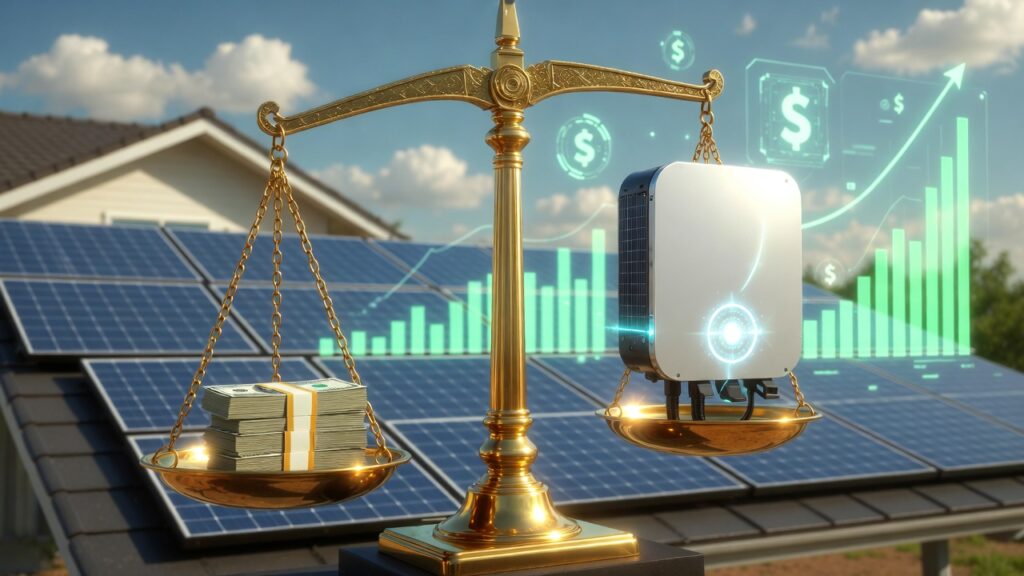
Pro Fix: The True Cost Secret
💰 PRO FIX:
Compare the LCOE (Levelized Cost of Energy) rather than the upfront sticker price. A cheaper inverter during your Solar Installation often costs more per kilowatt-hour over its lifetime due to lower efficiency and shorter warranties.
Did You Know?
High-efficiency inverters (98%+) pay for their price difference in less than 3 years. Consequently, they provide “free” extra energy for the remaining 22 years of your Solar Installation lifespan.
Step 5: Safety First: Modern Standards for a Secure Solar Installation
Firstly, safety remains the top priority for homeowners. However, many people ignore local electrical codes entirely. Additionally, a secure Solar Installation protects your property from fire. Therefore, you must select inverters with advanced safety. Moreover, the 2026 regulations are stricter than ever before.
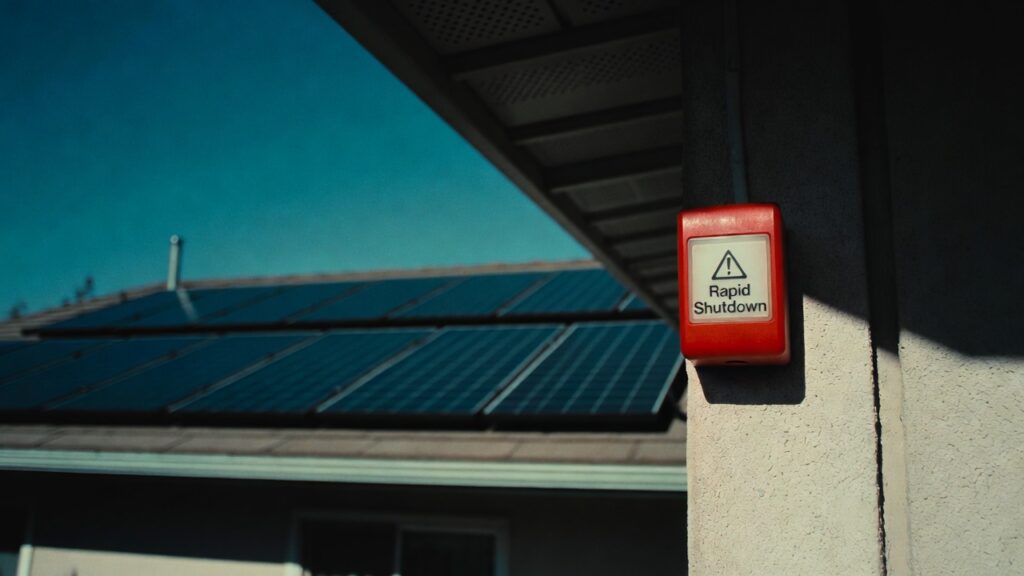
AFCI and Rapid Shutdown: Requirements for your Solar Installation
Firstly, the USA and EU markets have unique rules. Additionally, Arc Fault Circuit Interruption (AFCI) prevents electrical fires. However, Rapid Shutdown is now a mandatory requirement. Therefore, your Solar Installation must include these specific features. Moreover, integrated safety saves you from buying extra hardware. Firstly, check the compliance certificate of your inverter. Additionally, verify the module-level shutdown capabilities for 2026.
Safety Matrix: Global Compliance Standards
| Global Region | Mandatory Safety Requirement | Built-in Inverter Feature |
| USA (NEC 2023) | Module-Level Rapid Shutdown | Integrated AFCI + RSD |
| European Union | DC Isolators + Surge Prot. | Type II SPD Protection |
| Australia/Asia | Earth Fault Monitoring | Auto-Isolation Switches |
Pro Fix: Lower Your Premiums
🛡️ PRO FIX:
Ensure your inverter has integrated Arc Fault Protection (AFCI) to lower insurance premiums. Many insurance companies offer discounts for a Solar Installation that includes active fire prevention sensors.
Did You Know?
In many US states, a Solar Installation without module-level rapid shutdown is now illegal. Consequently, failing to follow NEC 2023 codes can result in heavy fines and a rejected grid connection.
Step 6: Energy Independence: Pairing Batteries with your Solar Installation
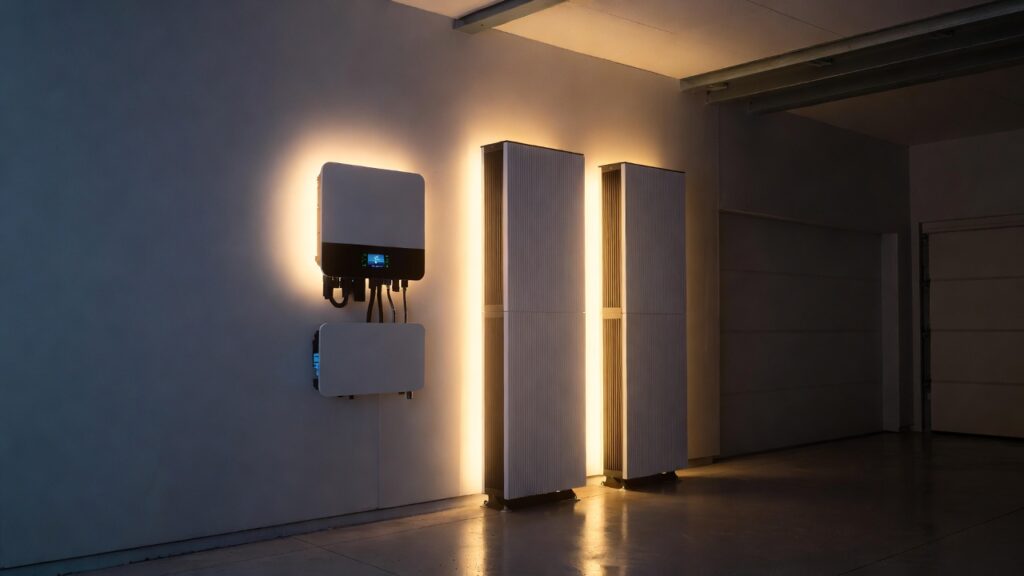
Firstly, a battery storage system completes your home. However, choosing the wrong chemistry ruins a Solar Installation. Additionally, high-end hybrid inverters manage these power flows perfectly. Therefore, you must match your storage to your inverter. Moreover, 2026 demands more reliable backup energy solutions.
LFP vs. NMC: Which Battery Chemistry Works Best in your Solar Installation?
Firstly, LFP (Lithium Iron Phosphate) offers superior safety. Additionally, NMC (Nickel Manganese Cobalt) provides a higher energy density. However, LFP batteries typically last much longer. Therefore, most modern Solar Installation projects favor LFP technology. Moreover, thermal stability is a major factor in 2026. Firstly, evaluate your available storage space. Additionally, consider the ambient temperature of your battery location.
Battery Matrix: 2026 Tech Comparison
| Battery Technology | Typical Life Cycles | Best Matching Inverter |
| LFP (LiFePO4) | 6,000 – 10,000 | Deye, Solark, Growatt |
| NMC (Lithium) | 2,500 – 4,000 | Tesla Powerwall 2/3 |
| Solid State | 12,000+ (Future) | High-Voltage Hybrid |
Pro Fix: Eliminate Grid-Pull
⚡ PRO FIX:
Match your battery’s discharge rate to your home’s peak evening load to avoid grid-pull. If your inverter pulls from the grid while the battery is full, your Solar Installation settings likely need a higher “Max Discharge” limit adjustment.
Did You Know?
DC-coupled battery systems are 3-5% more efficient than AC-coupled systems during a Solar Installation. Consequently, keeping the power in DC form avoids the energy loss associated with multiple conversions.
Step 7: Beating the Heat: How your Solar Installation Handles 45°C+
Firstly, extreme heat challenges every modern energy system. However, a professional Solar Installation must withstand rising global temperatures. Additionally, inverters generate significant internal heat during peak hours. Therefore, cooling technology becomes a critical purchasing factor. Moreover, 2026 climate trends demand more robust hardware.
Passive Cooling vs. Active Fan Cooling in your Solar Installation
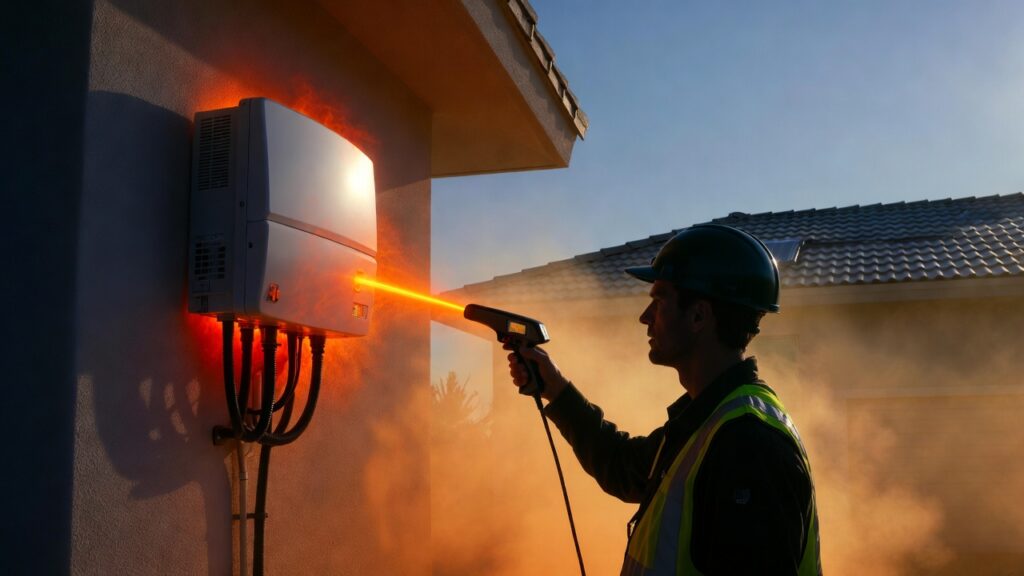
Firstly, passive cooling uses large metal heat sinks. Additionally, active cooling relies on high-speed internal fans. However, fans can fail over several years. Therefore, your Solar Installation environment determines the best choice. Moreover, active cooling handles higher loads in desert climates. Firstly, check the IP65 or IP66 weatherproof ratings. Additionally, ensure the unit has adequate airflow clearance.
Cooling Matrix: 2026 Thermal Performance
| Cooling Type | Average Noise Level | High-Temp Derating |
| Passive (No Fans) | 0 dB (Silent) | Starts at 40°C |
| Active (Internal Fans) | 35 dB – 50 dB | Starts at 50°C |
| Liquid Cooled | 10 dB (Quiet) | Starts at 55°C |
Pro Fix: Prevent Thermal Throttling
☀️ PRO FIX:
Install your inverter on a North-facing wall (South in Southern Hemisphere) to prevent thermal throttling. Direct sunlight on the inverter casing during your Solar Installation can trigger a safety shutdown or reduce power output by 30%.
Did You Know?
Some inverters lose 50% efficiency once the internal temperature hits 50°C. Consequently, proper shading and ventilation for your Solar Installation are just as important as the panels themselves.
Step 8: The AI Edge: Smart Monitoring for your 2026 Solar Installation
Firstly, artificial intelligence is now a standard requirement. However, basic monitoring apps often lack real-time precision. Additionally, smart tech optimizes every single watt generated. Therefore, your Solar Installation must include advanced AI tracking. Moreover, 2026 brings automated energy management to homes.
Using Real-Time Data to Predict Maintenance in your Solar Installation
Firstly, sensors detect early signs of panel degradation. Additionally, AI algorithms predict potential grid spikes accurately. However, manual monitoring is now a thing of the past. Therefore, modern software manages your Solar Installation’s health. Moreover, these systems alert you before failures occur. Firstly, download the latest firmware for your unit. Additionally, ensure your data logging frequency is high.
Monitoring Matrix: Smart App Performance
| Monitoring App | Core AI Features | Data Accuracy |
| Tesla App | Load Prediction & Storm Watch | 99.8% (Elite) |
| Fronius Solar.web | Ohmpilot Heat Management | 98.5% (High) |
| Deye Cloud | Multi-Inverter Parallel View | 96.0% (Standard) |

Pro Fix: Secure Your Connection
🌐 PRO FIX:
Check your inverter’s Wi-Fi signal strength before the Solar Installation is finalized. Poor connectivity prevents AI updates and stops real-time data logging, which can delay emergency maintenance alerts.
Did You Know?
AI-driven inverters can now predict cloud cover and adjust battery charging schedules automatically. Consequently, they maximize your Solar Installation efficiency by saving battery power for the most expensive peak hours.
Step 9: Future-Proofing: Is your Solar Installation Ready for Tandem Panels?
Firstly, solar technology evolves at a staggering pace. However, most homeowners build for today, not tomorrow. Additionally, tandem cells will revolutionize the entire industry. Therefore, your Solar Installation needs a long-term vision. Moreover, 2026 is the year to prepare.
Preparing for the 30% Efficiency Jump in your Solar Installation
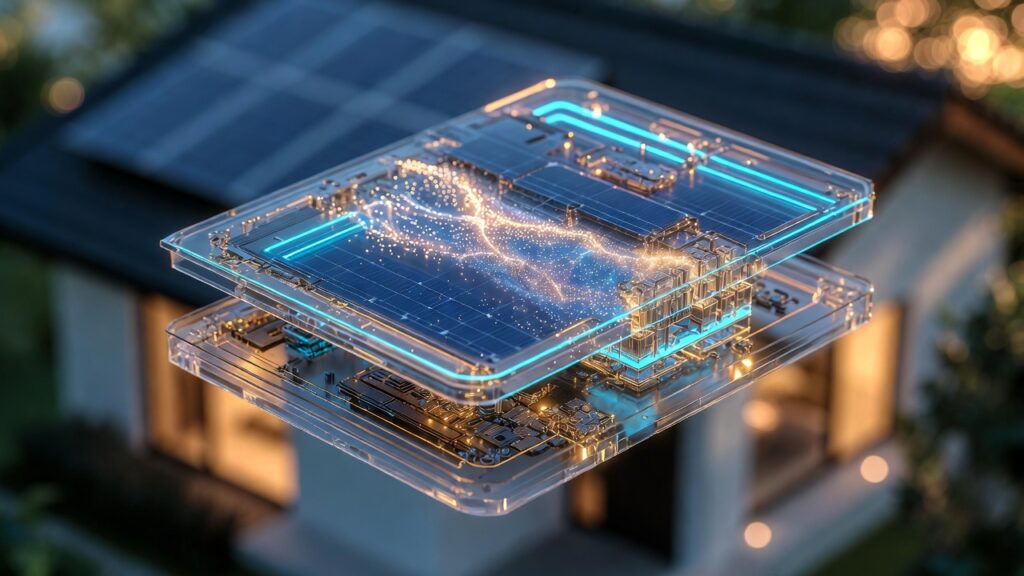
Firstly, tandem panels combine silicon with perovskite layers. Additionally, this combination captures a wider light spectrum. However, these panels generate significantly higher voltages. Therefore, your Solar Installation requires a flexible inverter. Moreover, standard hardware might fail under these loads. Firstly, check the MPPT voltage range today. Additionally, ensure the inverter supports firmware-based upgrades.
Future-Readiness Matrix: Inverter Specs
| Inverter Feature | Future Readiness | Upgrade Path |
| MPPT Voltage Range | 100V – 1000V | High (Tandem Ready) |
| Firmware Updates | OTA (Over-the-Air) | Software Only |
| Modular Design | Expandable Strings | Hardware Add-on |
Pro Fix: The “Oversizing” Strategy
🔮 PRO FIX:
Buy an ‘Oversized’ inverter today to allow for extra panel strings later. If your Solar Installation uses an 8kW inverter for 6kW of panels, you can easily add high-efficiency Tandem panels in 2028 without replacing your core hardware.
Did You Know?
Tandem cells (Perovskite) will require even wider MPPT voltage ranges than HJT. Consequently, choosing a wide-range inverter now saves thousands of dollars on your future Solar Installation upgrades.
Step 10: Final Comparison: The Best Inverter for your Specific Solar Installation
Firstly, the perfect choice depends on your specific home goals. However, most people get lost in technical datasheets. Additionally, every Solar Installation has a unique energy consumption profile. Therefore, you must match your inverter to your local climate. Moreover, 2026 offers high-quality options for every price range.
Budget Choice vs. Performance King vs. Tech Leader for your Solar Installation
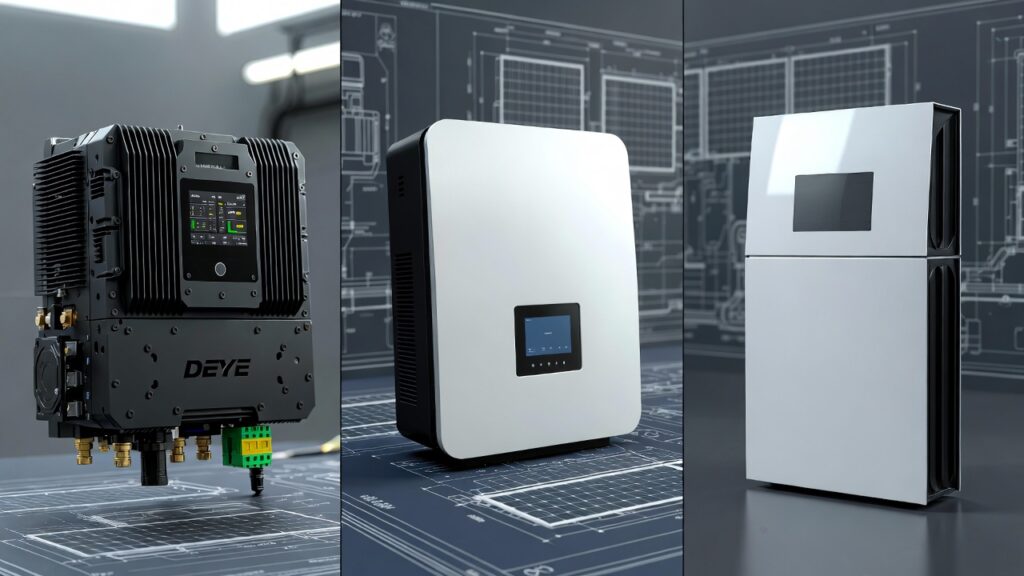
Firstly, the Deye Hybrid is the best budget-friendly option. Additionally, the Fronius Gen24 stands out as the ultimate performance king. However, the Tesla Powerwall 3 remains the undisputed tech leader. Therefore, your Solar Installation budget should reflect your 10-year plan. Moreover, premium hardware pays for itself through higher energy yields. Firstly, decide on your storage requirements. Additionally, check the local service support for each manufacturer.
Verdict Matrix: Matching the Right Inverter
| User Profile | Recommended Inverter | Why? |
| Budget Minded | Deye 8kW/12kW Hybrid | High Versatility + Low Price |
| Efficiency Expert | Fronius Symo Gen24 | Lowest Energy Conversion Loss |
| Tech Enthusiast | Tesla Powerwall 3 | Seamless AI & APP Integration |
Pro Fix: The Warranty Rule
HTML📜 PRO FIX:
Never buy an inverter without a minimum 10-year local warranty. Inverters are the most stressed part of your Solar Installation, and having a local service center ensures you won’t face weeks of downtime if a component fails.
Did You Know?
80% of Solar Installation failures are caused by the inverter, not the panels. Consequently, investing in a high-quality, reputable inverter brand is the single best way to protect your long-term investment.
Conclusion: Future-Proofing Your Solar Investment
Choosing the best hybrid solar inverter is no longer just about converting energy; it’s about ensuring your system can handle the high-performance demands of N-type, TOPCon, and HJT panels. As we move through 2026, the gap between standard and premium hardware is widening.
By investing in a high-amperage, AI-ready inverter like the Tesla Powerwall 3, Fronius Gen24, or a high-end Deye model, you are not just buying a device—you are protecting your ROI. A mismatched inverter can waste up to 15% of your energy potential, while a perfectly compatible one ensures every ray of sun is captured efficiently.
Frequently Asked Questions (FAQs)
1. Can I use a standard hybrid inverter with N-type TOPCon panels?
Technically yes, but it’s not recommended. Standard inverters often have a lower current limit (e.g., 13A), whereas N-type panels can produce much higher current. This leads to energy clipping, where you lose a significant portion of your daily solar harvest.
2. Why is HJT technology considered more demanding for inverters?
HJT (Heterojunction) panels are known for their high efficiency and high short-circuit current. To fully utilize an HJT installation, you need a modern inverter with at least 16A to 20A input capacity per MPPT to avoid thermal throttling and efficiency drops.
3. Which hybrid inverter is best for extreme weather conditions?
The Fronius Gen24 and Deye Hybrid series are top performers in extreme temperatures. They feature advanced active cooling systems that prevent power derating, ensuring your Solar Installation stays productive even at 45°C+.
4. Does the Tesla Powerwall 3 support all solar panel types?
Yes, the Tesla Powerwall 3 is highly versatile. Its integrated solar inverter is designed to handle modern high-efficiency modules, including both TOPCon and HJT, making it a future-proof choice for 2026 home energy systems.
5. How does a high-efficiency inverter improve my Solar ROI?
By eliminating energy clipping and offering a higher conversion rate, a premium inverter can increase your total energy yield by 10-15%. This means your system pays for itself faster, significantly boosting your long-term Return on Investment (ROI).
🔍 View Article Sources
To ensure technical accuracy, our experts referenced the following industry leaders and official documentation:
- • Tesla Powerwall 3 Official Technical Specifications
- • Fronius Gen24 Plus Residential Inverter Guide
- • Deye Hybrid Inverter Series—HJT & TOPCon Compatibility
- • National Renewable Energy Laboratory (NREL) Solar Efficiency Chart
- • SEIA Report: Future of N-Type and Heterojunction (HJT) PV Technology