
In This Article
- 1. The Anatomy of an Energy Star Label
- 2. Decoding Yearly Operating Costs
- 3. Understanding kWh on the Label
- 4. The Star System: Why Stars Matter
- 5. Specific Labels: Fridges & Freezers
- 6. Specific Labels: Washers & Dryers
- 7. Specific Labels: ACs & Heaters
- 8. Calculating Long-Term ROI
- 9. Global Labeling Standards
- 10. 2026 Smart Buying Strategy
step1:Understanding the Energy Star Label: A Visual Guide
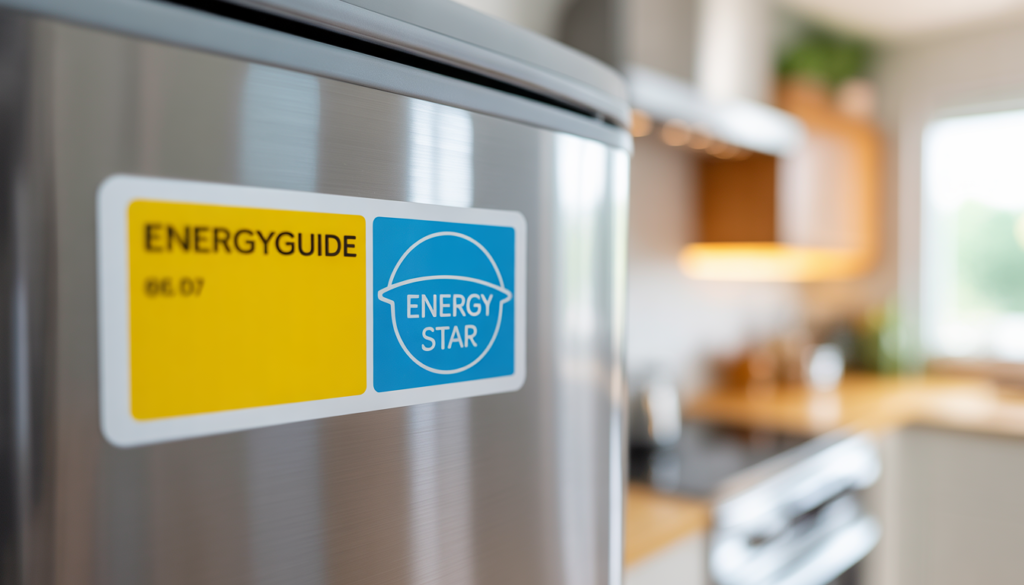
The Energy Star label is your best tool for saving money. It shows how much power an appliance uses. Understanding this label helps you compare different models easily. Every number on the Energy Star label tells a vital story. The blue logo ensures the product meets strict efficiency standards.
Key Benefits of the Energy Star Label
Looking at the Energy Star label helps you avoid high bills. It lists the estimated yearly operating cost clearly. It also shows the annual electricity use in kilowatt-hours. These details make the Energy Star label a buyer’s best friend.
Comparing Label Eras
The Energy Star label has changed over the years to stay helpful. Here is how the old version compares to the newest 2026 standards.
| Feature | Old Label Design | New 2026 Label | Impact on Buyer |
| Primary Color | Pale Yellow | Vibrant Safety Yellow | Better visibility in shops |
| QR Code | Not available | Integrated QR link | Instant digital specs |
| Energy Scale | Basic horizontal bar | Dynamic comparative scale | Easier brand comparison |
| Data Focus | Yearly cost only | Cost + Carbon footprint | Supports eco-friendly goals |
Did You Know?
The Energy Star program was started by the EPA in 1992. It began as a way to reduce greenhouse gas emissions.
step2:Decoding Your Energy Star Label Costs
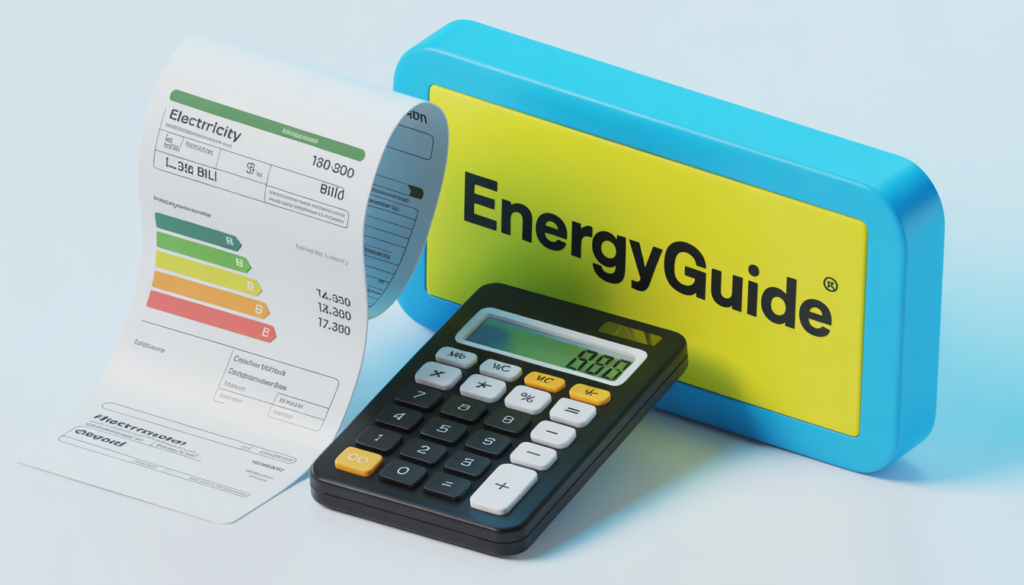
The Estimated Yearly Operating Cost is a crucial number. It predicts your annual spending on electricity. Manufacturers calculate this using average national utility rates. However, your actual Estimated Yearly Operating Cost may vary. Your local electricity price determines the final amount.
Regional factors influence the Estimated Yearly Operating Cost significantly. Some areas have much higher power rates than others. High usage habits also increase your Estimated Yearly Operating Cost. Use this figure to compare models of similar size. It helps you see the long-term value clearly.
Cost Comparison: 1-Star vs. 5-Star AC
Efficiency ratings change your Estimated Yearly Operating Cost drastically. A higher star rating means better internal components. This leads to a much lower Estimated Yearly Operating Cost.
| AC Rating | Annual Power Use | Estimated Yearly Cost | 10-Year Total Savings |
| 1-Star Rated | 2,800 kWh | $450 | $0 (Baseline) |
| 3-Star Rated | 1,950 kWh | $310 | $1,400 |
| 5-Star Rated | 1,400 kWh | $225 | $2,250 |
Did You Know?
The Estimated Yearly Operating Cost uses an average national price. This baseline helps all consumers compare products fairly.
Step 3: Finding kWh on the Energy Star Label
The kilowatt-hour (kWh) is a critical metric for every homeowner. It measures how much energy an appliance consumes per hour. You will find the kilowatt-hour (kWh) listed on every energy label. This number represents the machine’s actual “appetite” for electricity. Understanding the kilowatt-hour (kWh) helps you predict future utility expenses.
Tracking Energy Consumption on Labels
Lower kilowatt-hour (kWh) ratings indicate a more efficient motor or compressor. High-performance appliances often optimize every kilowatt-hour (kWh) they draw from the grid. By tracking the kilowatt-hour (kWh), you can identify energy-hungry devices. This knowledge empowers you to make smarter, greener shopping choices.
Typical Energy Consumption by Appliance
Different machines use different amounts of kilowatt-hour (kWh) units. Larger appliances usually demand a higher kilowatt-hour (kWh) count to function.
| Appliance Type | Avg. Annual kWh | Daily kWh Use | Impact on Monthly Bill |
| Smart Refrigerator | 400 – 600 kWh | 1.1 – 1.6 kWh | Constant low-draw impact |
| Washing Machine | 150 – 300 kWh | 0.4 – 0.8 kWh | High draw during cycles |
| Dishwasher | 250 – 450 kWh | 0.7 – 1.2 kWh | Significant hot water use |
Did You Know?
A lower kilowatt-hour (kWh) does not mean the appliance is weak. Modern engineering allows machines to do more work with less power.
step 4: The Star System: Why Every Extra Star Counts
The star system is the easiest way to judge efficiency. More stars mean the appliance uses much less electricity. Each level in the star system represents a major technological jump. Manufacturers must meet strict criteria to earn each additional star. This makes the star system a trusted symbol of quality.
Understanding the star system helps you save money long-term. A higher rating in the star system reduces your carbon footprint. It also ensures the product uses the latest energy-saving tech. Always compare products within the same size category using the star system. This ensures you get the most cooling or cleaning power.

Measuring the Efficiency Gap
The star system shows clear differences in energy performance. Moving up one level in the star system can save significant cash.
| Star Rating | Energy Efficiency | Savings Percentage | Best For… |
| 3-Star Rating | Standard Efficiency | Baseline (0%) | Budget-friendly initial cost |
| 4-Star Rating | High Efficiency | 15% – 20% Savings | Regular daily household use |
| 5-Star Rating | Ultra Efficiency | 30% – 45% Savings | Maximum long-term bill reduction |
Did You Know?
While most regions use a 5-star scale, some countries use 10! The star system is constantly evolving to push for better technology.
step5:Reading Fridge Energy Star Labels
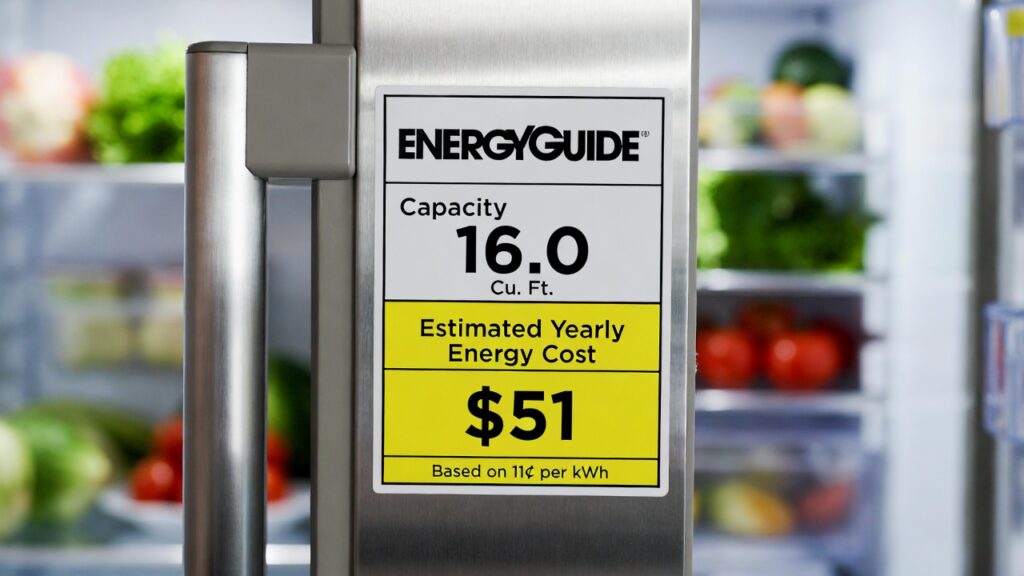
A refrigerator label contains specific data for cooling efficiency. You must look at the total storage volume first. The refrigerator label calculates energy based on this interior space. Larger units naturally require more power on the refrigerator label. However, modern insulation keeps these numbers lower than ever.
Always check the fresh food versus freezer capacity. The refrigerator label separates these two sections for clarity. Efficient compressors are the secret behind a good refrigerator label. Comparing these labels helps you choose the right size. Never buy more space than your family truly needs.
Efficiency by Refrigerator Style
The configuration of your fridge affects the refrigerator label data. Some designs are naturally more efficient at trapping cold air.
| Fridge Configuration | Energy Efficiency | Average Annual Cost | Space Efficiency |
| Top-Freezer | Most Efficient | $45 – $60 | High (Best for small kitchens) |
| Bottom-Freezer | Highly Efficient | $55 – $75 | Excellent (Easy access) |
| Side-by-Side | Less Efficient | $80 – $110 | Moderate (Narrow doors) |
Did You Know?
Keeping a fridge full actually helps it stay cool. Cold items act like ice blocks to maintain the temperature.
step6:Washing Machine Labels: Saving Water and Watts
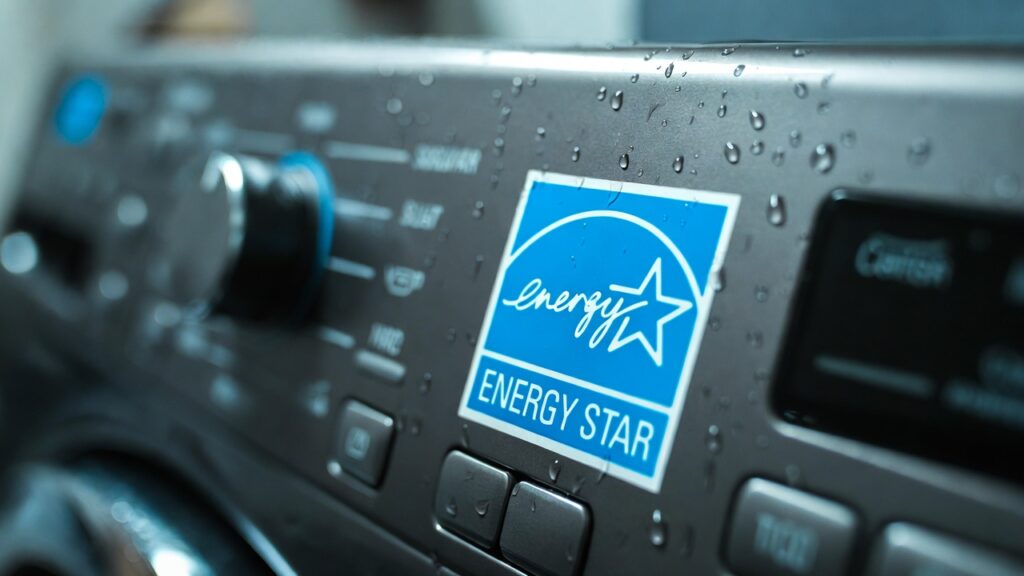
A washing machine label tracks more than just electricity. It also measures critical water efficiency metrics. Look for the Integrated Water Factor on the washing machine label. A lower number means the machine uses less water. This is vital for lowering your monthly utility bills.
Efficiency Ratings for Water and Power
Modern sensors improve the data on your washing machine label. These sensors adjust water levels based on load size. High-speed spinning also helps the washing machine’s label rating. It removes more water, so the dryer works less. Always compare the “Gallons Per Year” on the washing machine label.
Washer Performance: Front-Load vs. Top-Load
The design of your washer changes the washing machine label values. Front-loading models usually lead to water and energy savings.
| Washer Type | Annual Water Use | Energy Consumption | Cleaning Performance |
| Front-Load Washer | ~10,000 Gallons | Ultra-Low kWh | Superior (Gentle on clothes) |
| High-Efficiency Top-Load | ~13,000 Gallons | Low to Medium kWh | Excellent (Large capacity) |
| Agitator Top-Load | ~19,000 Gallons | High kWh | Good (Traditional wash) |
Did You Know?
Almost 90% of a washer’s energy goes into heating water. Using cold water cycles can save you massive amounts of money!
step7:AC Labels: Mastering EER and SEER Ratings
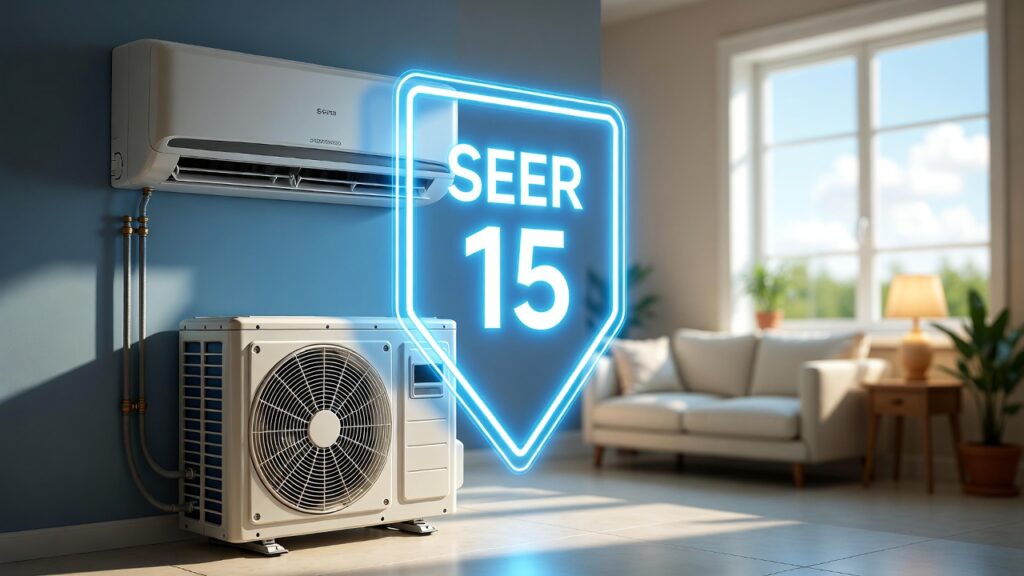
The air conditioner label is the key to summer comfort. It features two vital ratings: EER and SEER. EER measures efficiency at a specific, high temperature. SEER calculates the average efficiency over an entire season. A high SEER on the air conditioner label saves more money. These ratings help you choose the best cooling power.
Efficiency of Modern Cooling Systems
Climate plays a huge role in your air conditioner label results. Hotter regions need a higher EER rating for peak performance. The air conditioner label also lists the cooling capacity in BTUs. Matching BTUs to your room size is very important. Always prioritize a modern air conditioner label for maximum savings.
Tech Comparison: Standard vs. Inverter
The air conditioner label for inverter models shows much better efficiency. Standard units consume more power due to constant on-off cycling.
| Feature | Standard AC Label | Inverter AC Label | Efficiency Impact |
| Compressor Type | Fixed Speed | Variable Speed | Inverters save 30-50% power |
| Startup Load | Very High | Soft Start | Reduces peak demand charges |
| Temp. Stability | Fluctuating | Constant | Better comfort and durability |
Did You Know?
Inverter technology can save up to 40% more energy. It slows down the motor instead of stopping it completely.
Step8:Calculating ROI via the Energy Star Label
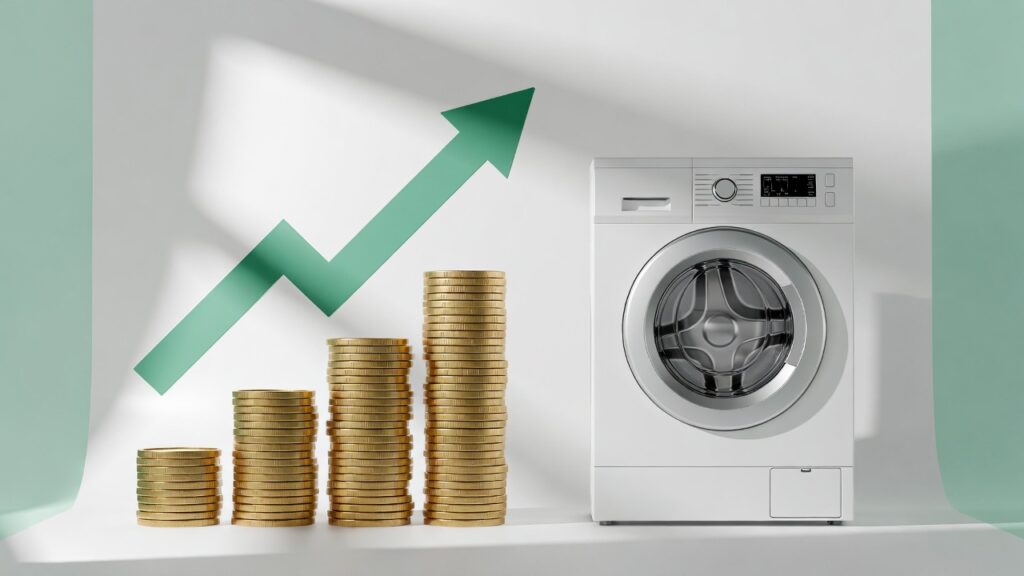
The long-term ROI of an appliance is its true cost. High-efficiency models often have a higher upfront price tag. However, the long-term ROI proves they are much cheaper. You must look beyond the initial sale price today. Efficient technology delivers a better long-term ROI through monthly savings.
Calculate the payback period to see your long-term ROI clearly. This is the time needed to recover the extra cost. Most households see a positive long-term ROI very quickly. Choosing cheap, inefficient units ruins your long-term ROI over time. Always invest in quality for the best financial outcome.
Total Cost: Cheap vs. Efficient Models
The long-term ROI is hidden in the 10-year operating cost. Higher initial spending leads to much lower total ownership expenses.
| Cost Factor | Budget (Non-Rated) | Energy Star Model | 10-Year Difference |
| Purchase Price | $400 | $650 | +$250 Upfront |
| Annual Energy | $180 | $70 | -$1,100 Savings |
| Total 10-Year Cost | $2,200 | $1,350 | **$850 Total Profit** |
Did You Know?
Most Energy Star appliances pay for their price difference in 2-3 years. After that, the long-term ROI is pure profit for you!
step9:Understanding Global Labeling Standards: A World View
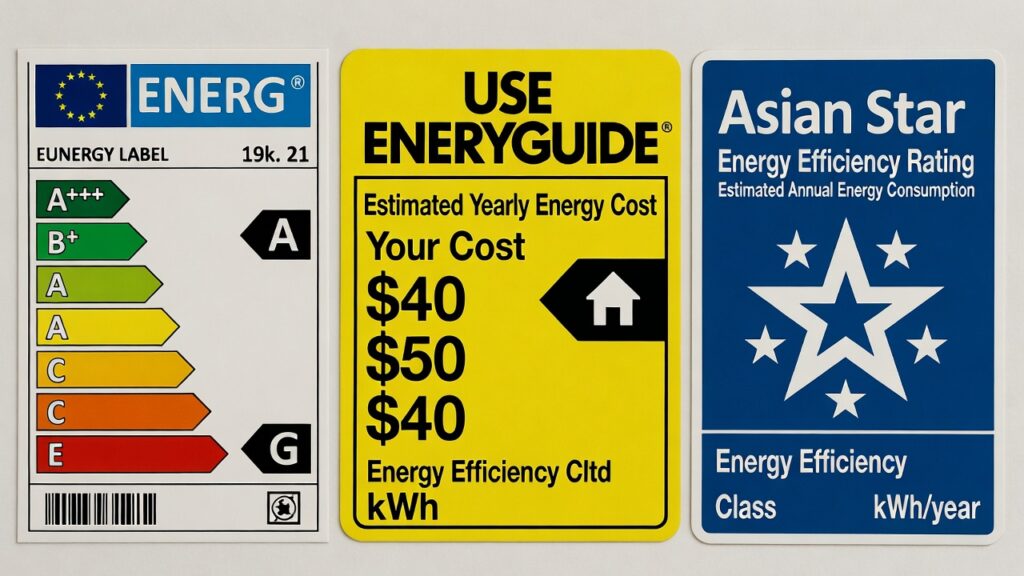
The global labeling standards help shoppers identify efficiency across borders. Each region uses a unique visual style for energy data. European countries use the famous A-G scale for global labeling standards. Meanwhile, many Asian markets prefer the intuitive star-rating system. These global labeling standards ensure consumers make informed choices everywhere.
Following global labeling standards is essential for international brands. It creates a universal language for energy conservation and savings. Despite visual differences, all global labeling standards share one goal. They aim to reduce carbon emissions and lower utility costs. Learning these global labeling standards makes you a savvy global shopper.
Regional Differences in Labeling
Each version of the global labeling standards uses different metrics. Knowing these differences helps you compare imported appliances accurately.
| Region | Primary Scale | Key Visual Icon | Main Efficiency Goal |
| European Union | Alphabetical (A to G) | Multicolored Bars | Carbon reduction focus |
| United States | Cost Bar / Star | Yellow EnergyGuide | Yearly operating cost |
| Asia / Pacific | Star Rating (1-5+) | Gold/Blue Stars | Electricity unit savings |
Did You Know?
Many modern global labeling standards now include QR codes. You can scan them to see full digital specs instantly!
step10:Buying Strategy for Energy Star Label Products
A successful Smart Buying Strategy starts before you enter the store. Preparation is the secret to long-term energy savings. Use this Smart Buying Strategy to avoid expensive impulse purchases. Focus on labels that match your actual home needs. A solid Smart Buying Strategy ensures a high return on investment.
Always bring a measuring tape for your Smart Buying Strategy. Check the annual kWh on the yellow EnergyGuide tag. Comparing three models is a key Smart Buying Strategy step. Look for the blue logo to confirm high efficiency. Following a Smart Buying Strategy protects your monthly budget.
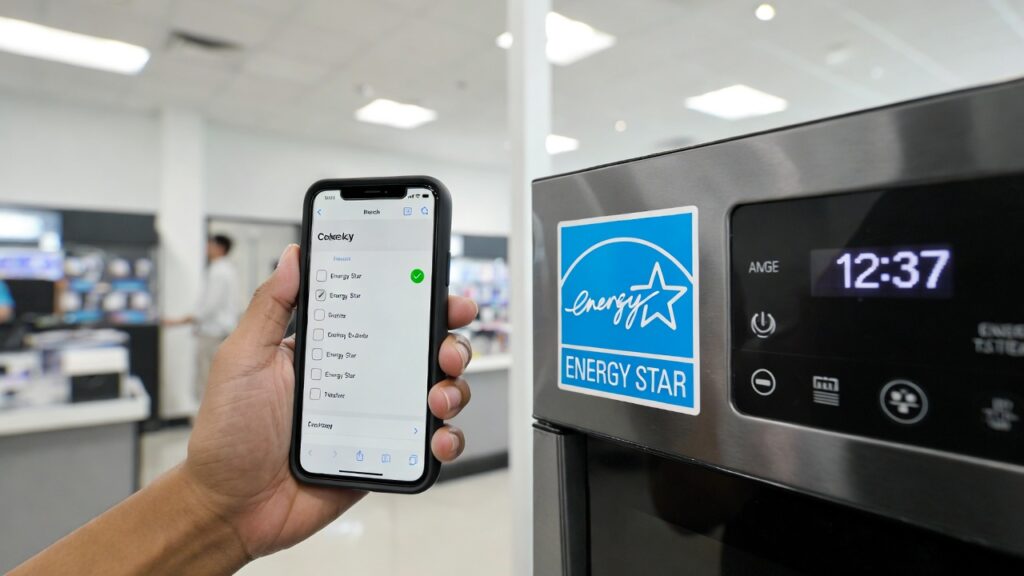
Feature Checklist: Must-Have vs. Nice-to-Have
Your Smart Buying Strategy should prioritize efficiency over flashy gadgets. Use this table to stay focused while you shop.
| Feature Category | Must-Have (Priority) | Nice-to-Have (Optional) | Budget Impact |
| Energy Rating | 4-Star or 5-Star Rating | Smart Wi-Fi connectivity | High long-term savings |
| Core Tech | Inverter Compressor/Motor | Touchscreen interfaces | Massive power reduction |
| Warranty | 10-Year Motor Warranty | Extended accidental cover | Lower maintenance costs |
Did You Know?
Many governments offer cash rebates for buying Energy Star products. This Smart Buying Strategy can put money back in your pocket!
Conclusion: Making Your Final Choice
Choosing an energy-efficient appliance in 2026 is no longer just about saving a few dollars; it is about building a sustainable and cost-effective home. By mastering the Energy Star label and understanding metrics like kWh and SEER, you take full control over your long-term utility expenses. Remember, the cheapest price tag today often leads to the highest bills tomorrow.
💡 The Eco Power Takeaway
- Always prioritize 5-star ratings for appliances that run 24/7 (like fridges).
- Look for Inverter technology to slash cooling costs by up to 40%.
- Use the QR codes on 2026 labels for real-time efficiency data.
Ready to upgrade? Start with the appliances that have the highest annual kWh consumption first!
For more expert advice on smart home gadgets and solar energy, stay tuned to Eco Power Guide.
Energy Star Label: Frequently Asked Questions
1. Do Energy Star rated appliances really lower electricity bills?
Yes! Energy Star certified appliances use anywhere from 10% to 50% less energy than standard models. This leads to significant long-term savings on your monthly utility bills while also being better for the environment.
2. Does a higher star rating guarantee better overall performance?
A higher star rating indicates superior energy efficiency, meaning the device does the same amount of work while wasting less electricity. It reflects better engineering and component quality rather than just raw power.
3. How accurate is the “Estimated Yearly Operating Cost” on the Energy Star label?
This cost is an estimate based on average national electricity rates. Your actual cost will depend on your local utility price (rate per kWh) and how frequently you use the appliance in your daily routine.
4. Is it worth replacing an old appliance with a new Energy Star model?
If your appliance is over 10 years old, a new Energy Star model is often efficient enough to pay for itself within 2 to 3 years through energy savings alone.
5. Are Energy Star labels the same in every country?
No, different regions (like the EU, USA, and Asia) have their own labeling designs and efficiency criteria. However, they all serve the same purpose: providing clear, verified data to help you save energy.
1. Do Energy Star rated appliances really lower electricity bills?
Yes! Energy Star certified appliances use anywhere from 10% to 50% less energy than standard models. This leads to significant long-term savings on your monthly utility bills while also being better for the environment.
2. Does a higher star rating guarantee better overall performance?
A higher star rating indicates superior energy efficiency, meaning the device does the same amount of work while wasting less electricity. It reflects better engineering and component quality rather than just raw power.
3. How accurate is the “Estimated Yearly Operating Cost” on the Energy Star label?
This cost is an estimate based on average national electricity rates. Your actual cost will depend on your local utility price (rate per kWh) and how frequently you use the appliance in your daily routine.
4. Is it worth replacing an old appliance with a new Energy Star model?
If your appliance is over 10 years old, a new Energy Star model is often efficient enough to pay for itself within 2 to 3 years through energy savings alone.
5. Are Energy Star labels the same in every country?
No, different regions (like the EU, USA, and Asia) have their own labeling designs and efficiency criteria. However, they all serve the same purpose: providing clear, verified data to help you save energy.